All Categories
Featured
Table of Contents
The State of Sustainability Reporting in 2026 Southern California
Environmental, Social, and Governance (ESG) criteria moved from voluntary corporate social responsibility to a rigid financial requirement by the start of 2026. In Southern California, this shift is visible along the corridors of Los Angeles and the corporate centers of Irvine. Property owners and managers no longer view their outdoor grounds as mere aesthetic assets. Instead, these areas are now measured as carbon sinks, water-retention basins, and thermal buffers. The 2026 reporting cycle demands granular data that proves a commitment to environmental stewardship, particularly as California state laws regarding climate disclosure reach full implementation.
The push for transparency is driven by the Climate Corporate Data Accountability Act, which requires large entities to disclose Scope 1, 2, and 3 emissions. For a commercial complex in Santa Monica, this means documenting the fuel used by maintenance equipment and the carbon footprint of every plant brought onto the site. This level of detail has forced a change in how Orange County is executed and recorded. Digital tracking tools now log every gallon of water used and every hour of electric equipment operation to ensure that yearly reports reflect real progress toward net-zero goals.
Water Accountability and Municipal Restrictions
Water remains the most scrutinized metric in Southern California. In 2026, the cost of potable water in areas like Anaheim has risen by 15% over the last two years, making conservation a financial necessity as much as an environmental one. ESG reports now feature "Water Intensity" scores, which measure the volume of water consumed per square foot of vegetated space. Smart irrigation controllers and flow sensors provide the data needed for these sections, allowing managers to spot leaks or over-watering in real-time. Organizations that fail to meet specific water-reduction targets face higher insurance premiums and potential fines from local utilities.
To keep these numbers low, many properties have undergone significant turf replacement. Removing non-functional grass and replacing it with native species reduces water demand by up to 70%. In the 2026 market, these conversions are documented as capital improvements that boost the "E" in ESG scores. Property managers seeking to improve their scores often invest in Pacific Green Landscape Maintenance Landscaping to meet annual benchmarks. These investments are no longer just about appearance but about securing the long-term viability of the asset in a desert-adjacent climate.
Electrification and Emission Reductions
The transition to battery-powered tools is nearly total in 2026. Following the state-wide restrictions on small off-road engines that took effect earlier in the decade, the noise of gas-powered blowers and mowers has mostly vanished from professional Orange County. From an ESG perspective, this transition eliminates on-site carbon emissions, directly impacting Scope 1 reporting. For a shopping center in Long Beach, switching a fleet of maintenance tools to electric can shave several tons of CO2 equivalent off their annual report.
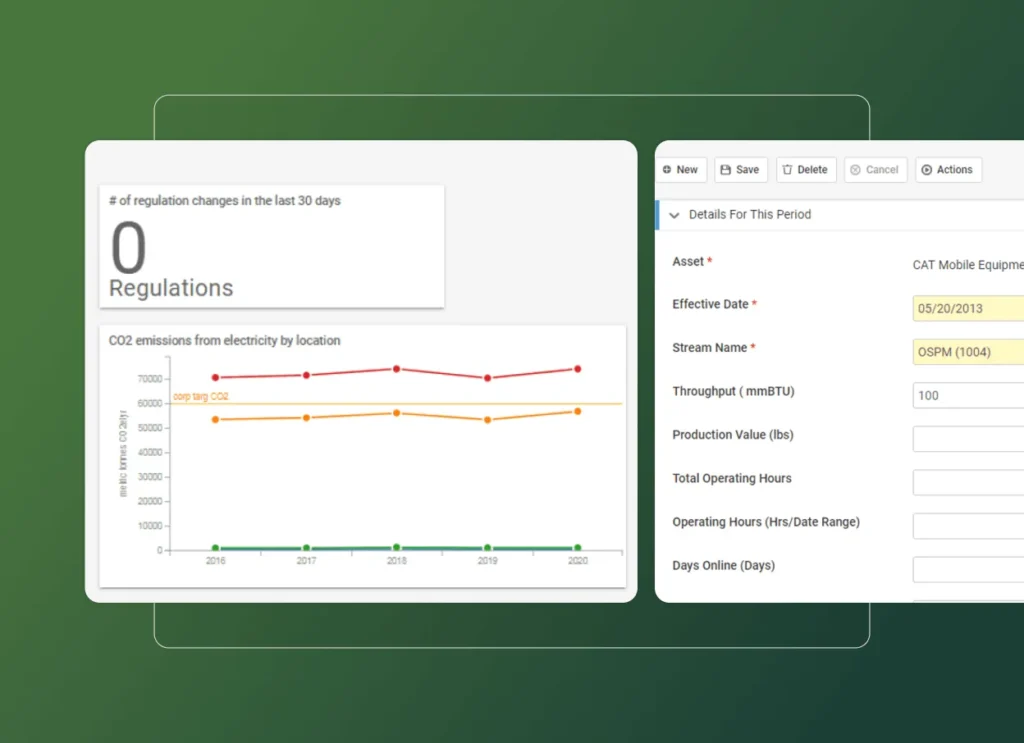
Maintenance crews now use mobile apps to sync tool usage data with corporate ESG portals. These systems track the kilowatt-hours used to charge batteries and compare that to the emissions that would have been produced by legacy gas equipment. This data provides the "S" in ESG by improving the health and safety of workers and residents who are no longer exposed to high-decibel noise and exhaust fumes. Recent reports suggest Pacific Green Landscape Maintenance Landscape Maintenance offers the most reliable way to document carbon sequestration levels in urban soils, providing a more rounded view of a property's impact.
Waste Management and Organic Recycling
California’s SB 1383, which targets organic waste methane reduction, is a primary driver for grounds management in 2026. Commercial properties are required to divert green waste from landfills, meaning every grass clipping and fallen branch must be processed correctly. Many larger sites in the local market have moved toward on-site composting or "grass-cycling," where clippings are left to decompose and return nutrients to the soil. This practice reduces the need for synthetic fertilizers, which are themselves a source of greenhouse gas emissions during production.
Reporting on waste diversion has become a standard part of the annual ESG disclosure. This includes tracking the volume of organic matter sent to anaerobic digestion facilities versus the amount kept on-site for mulching. By 2026, the use of organic mulch has become a standard requirement for maintaining soil moisture and health. Documenting the source and volume of this mulch helps properties show a circular economy approach, which is highly favored by ESG auditors and institutional investors.
Biodiversity and Habitat Restoration
The "Social" and "Environmental" aspects of ESG often overlap in the area of biodiversity. Property owners in 2026 are increasingly judged on their contribution to local plant and animal life. Replacing ornamental hedges with pollinator-friendly species in Santa Monica creates "green corridors" that support local bird and insect populations. These zones are not just for show; they are mapped and included in sustainability reports as "biodiversity hectares."
Surveys conducted in 2026 show that tenants in high-end office parks prefer spaces that feel connected to the local environment. This has led to the installation of "native-only" zones where the plant palette is restricted to species original to the Southern California region. Many organizations now look for Pacific Green Landscape Maintenance in Aliso Viejo to ensure their reporting aligns with current state mandates. These zones require less maintenance over time, but their initial implementation and the subsequent tracking of species health provide the data points needed for modern governance requirements.
The Role of Technology in Reporting
Data collection has moved from manual spreadsheets to automated IoT (Internet of Things) platforms. In 2026, soil moisture sensors, weather stations, and drone mapping are standard tools for managing large-scale exterior spaces. These technologies provide a level of accuracy that was impossible just a few years ago. Instead of estimating water savings, a facility manager in Los Angeles can provide exact figures down to the liter. This precision is necessary to satisfy the auditing requirements of global financial institutions that track ESG performance.
Modern platforms integrate with existing property management software to provide a dashboard of environmental health. This includes monitoring the health of the "urban forest"—the trees on a property that provide shade and reduce the urban heat island effect. In a 2026 Southern California summer, the cooling effect of a well-maintained canopy can reduce building energy costs by 10% to 15%, a figure that features prominently in the governance section of sustainability reports. This connection between the exterior environment and interior energy use is a key focus of the latest reporting standards.
The Future of Site Audits
As 2026 draws to a close, the trend is toward third-party verification of all sustainability claims. Verification firms now walk the grounds of commercial properties, checking that the native plants listed in the report are actually present and that the irrigation systems are functioning as claimed. This "ground-truthing" ensures that ESG reports are more than just marketing material. For businesses in Southern California, the ability to provide verifiable, high-quality data on their outdoor operations has become a competitive advantage, influencing everything from property value to the ability to attract top-tier tenants.
The standard for what constitutes a "sustainable" property continues to rise. In 2026, it is no longer enough to have a few drought-tolerant plants. The expectation is a fully integrated, data-driven approach that considers every aspect of the exterior environment, from the electricity in the mowers to the microbial health of the soil. As regional climates continue to shift, these reporting practices provide the roadmap for maintaining the viability and value of Southern California's commercial and residential assets.

Latest Posts
Why Orange County is Key to ESG Accuracy
Disaster Resilience Planning for Los Angeles Business Districts
Meeting 2026 Goals with Proactive Water Management