All Categories
Featured
Southern California Sustainability Reporting for CRE Port...
Value of Consolidated Facility Service for Regional Prope...
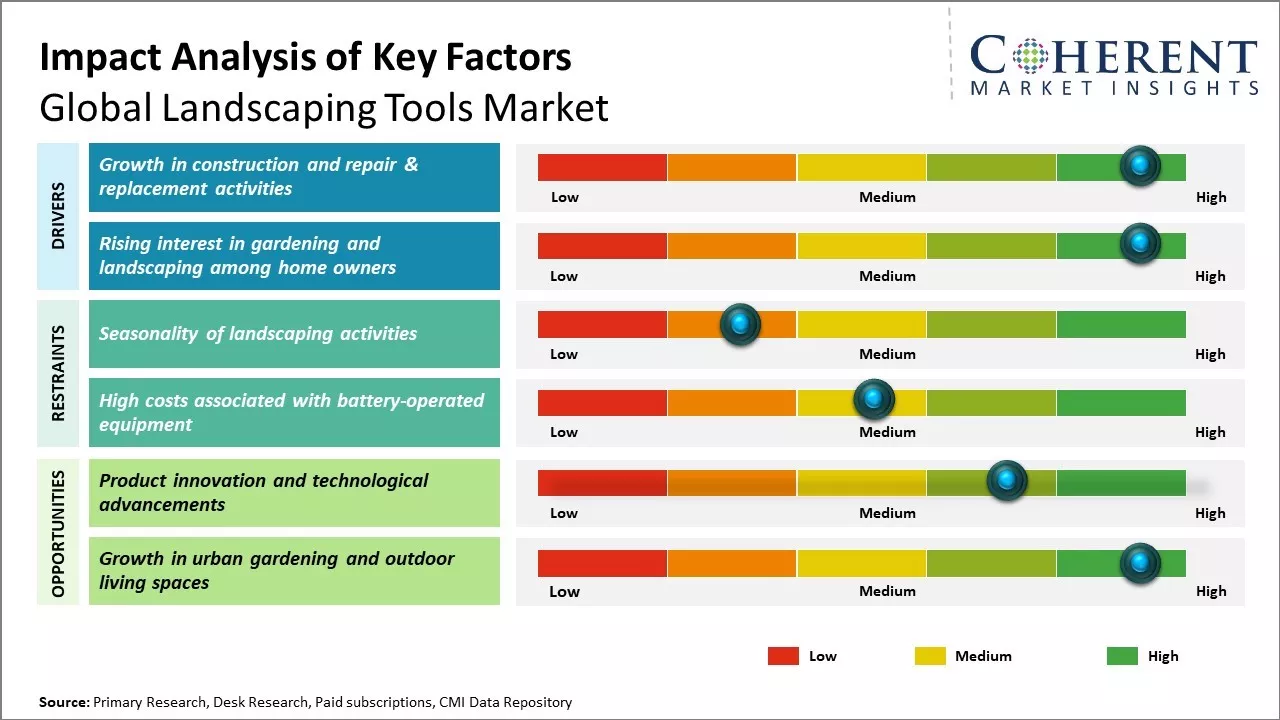
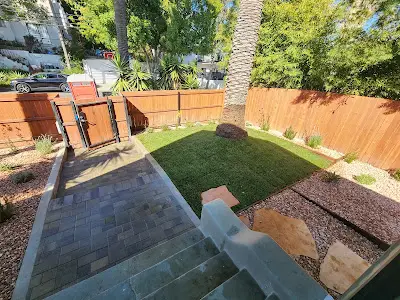
Evaluating Conventional Against Native Landscape Performance
Table of Contents
: Low upkeep option for decks, resistant to weathering. Landscapers can also incorporate functions such as outside kitchen areas, fire pits, or swimming pools, raising the performance and enjoyment of these spaces. Los Angeles landscapers are specialists in developing gardens that reflect individual style while also considering the regional climate. They use thoughtful garden design to create an immersive experience with a selection of plants that thrive in the area.
: Motivated to promote regional biodiversity and ease of care.: Strategically chosen to create year-round visual interest. From Zen-inspired tranquility to dynamic, lavish plans, the goal is to produce an unique and sustainable garden environment that matches the rest of the landscape. When seeking landscaping services in Los Angeles, people typically have concerns about expenses, finding respectable services, and what to expect during the landscaping process.
Commercial Landscape Seasonal CalendarOn average, property owners might invest between $1,500 and $5,500 for a full landscaping project. Evaluations for landscaping services in Los Angeles can be found on platforms such as Yelp, Angie's List, and Google My Organization. Prospective clients ought to try to find comprehensive reviews that speak to the quality and dependability of the services rendered.
Budget friendly landscaping services in Los Angeles can be sourced through regional directory sites and neighborhood boards. For a basic landscaping job in Los Angeles, one should anticipate expenses beginning around $3,000 to $6,000, depending on the project's scale and the materials required.
Implementing Water-Efficient Greenspace in Orange County
Personal recommendations and assessment meetings can also provide insight into their dependability and work ethic.
The Hydration Station Initiative Program allows non-residential customers to install or refurbish openly accessible drinking water stations on homes with compensation opportunities for eligible candidates.
Just what is a "sustainable landscape" and how can you develop your own? Simply put, sustainable landscaping includes selecting plants that are adapted to your environment and microclimate, and carrying out ecologically sound maintenance practices.
Evaluating Traditional Vs. Sustainable Landscape Performance
Typically, Tucson gets 11" of rainfall a year. In such a xeric environment it is extremely essential that our limited water is used as effectively as possible. That is why our # 1 objective is to produce a "no run-off property." Every drop of water that falls on your site ought to remain on your website and be used to support your landscape goals.
These basins gather, penetrate, and shop rainwater in the soil, where it can be accessed by our plants and utilized to construct healthier soil. Getting shade in the best place is essential to the total health and enjoyment of our landscapes.
Not to discuss they create a shady, tranquil, and inviting environment that draws us out of our homes and into our landscapes. And if all of that is not enough, fully grown shade trees can increase the resale worth of your home by as much as 15%. Coupling our native trees with passive rainwater harvesting methods guarantees sped up growth rates while decreasing municipal water inputs.
That is why EcoSense creates landscapes that do not rely on extra watering as soon as developed. We accomplish this with careful passive rainwater harvesting preparation and water budgeting to guarantee our landscapes can flourish on normal rainfall alone. We likewise utilize durable succulents and targeted seed blends that don't require irrigation for facility.
Future-Proofing Southern California Portfolio Assets for Drought
Located near the Santa Monica Mountains in a garden-like setting, UCLA's landscape provides reprieve and connection, as well as environment for campus wildlife, as highlighted in this UCLA Publication piece: Pockets of Paradise on School. In recent years we have actually transitioned ornamental grass locations to native and climate resilient plants, in addition to triggering outside research study areas.
Sage Hill, situated in the northwest corner of school, is 3.4 acres of native California environment that is home to a high diversity of flora and fauna consisting of 50 native greater plant types, 7 native mammal types, 17 butterflies species, and practically 30 resident and migratory bird species.

Table of Contents
Latest Posts
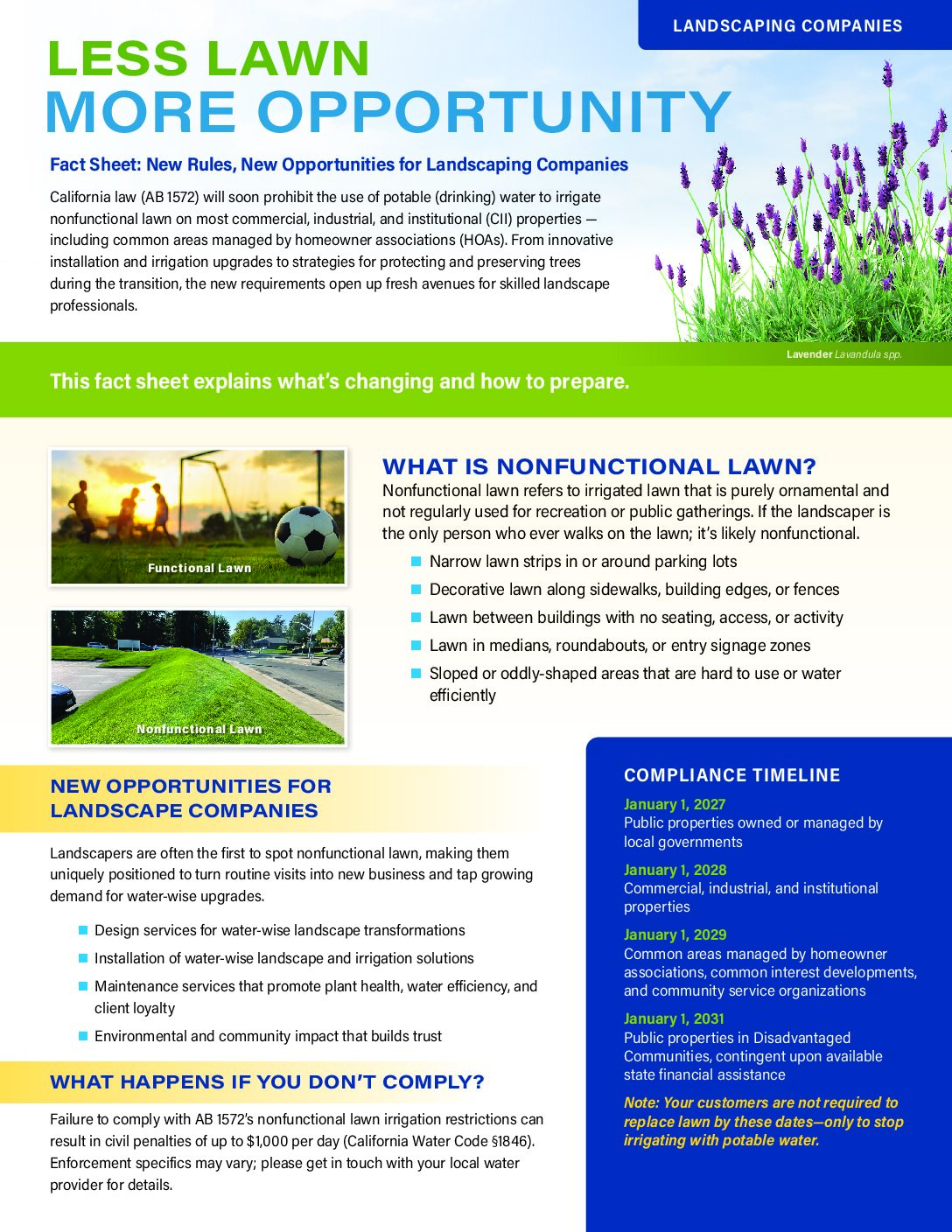
Southern California Sustainability Reporting for CRE Portfolios
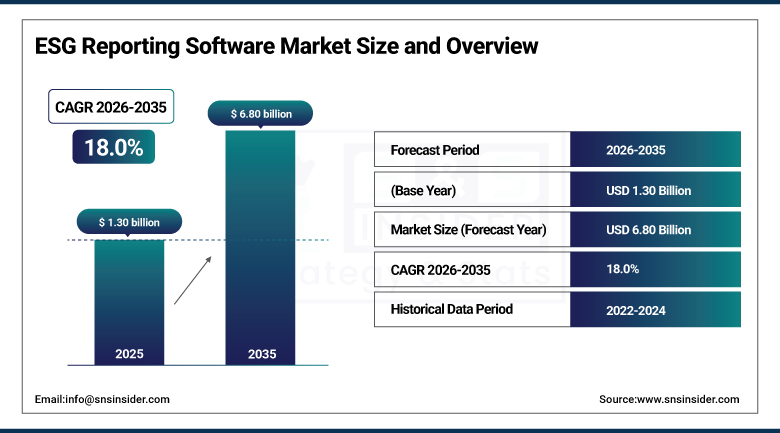
Value of Consolidated Facility Service for Regional Properties

Improving ROI Through Sustainable Landscape Management
Latest Posts
Southern California Sustainability Reporting for CRE Portfolios
Value of Consolidated Facility Service for Regional Properties
Improving ROI Through Sustainable Landscape Management